Hive Inspections

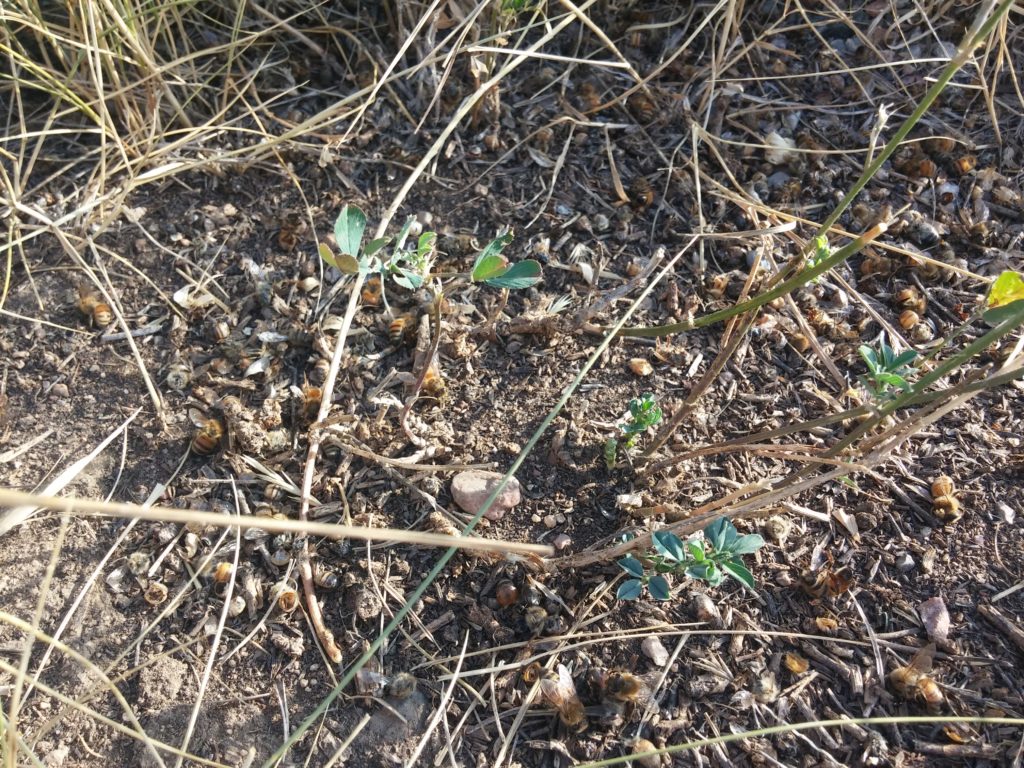
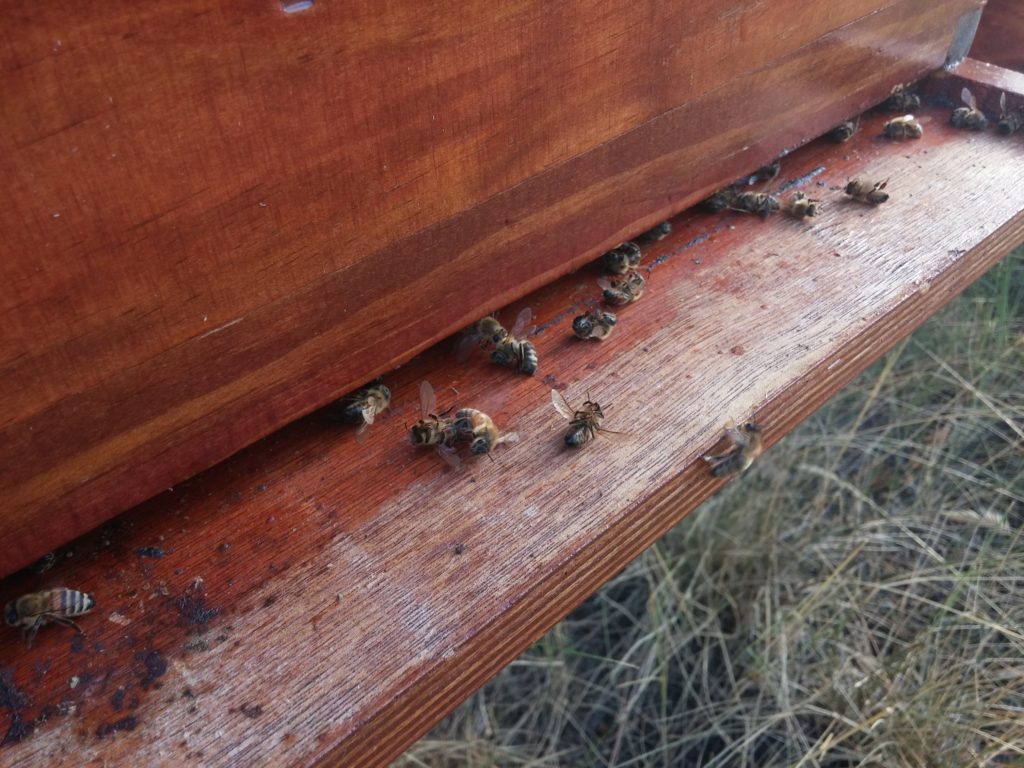
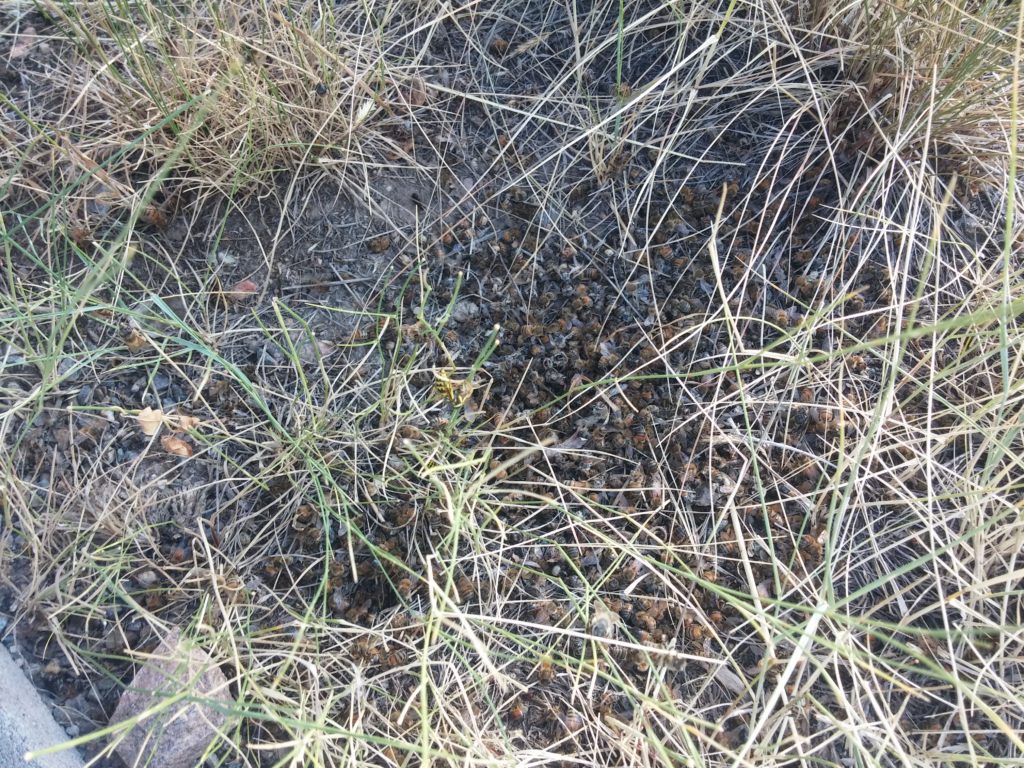
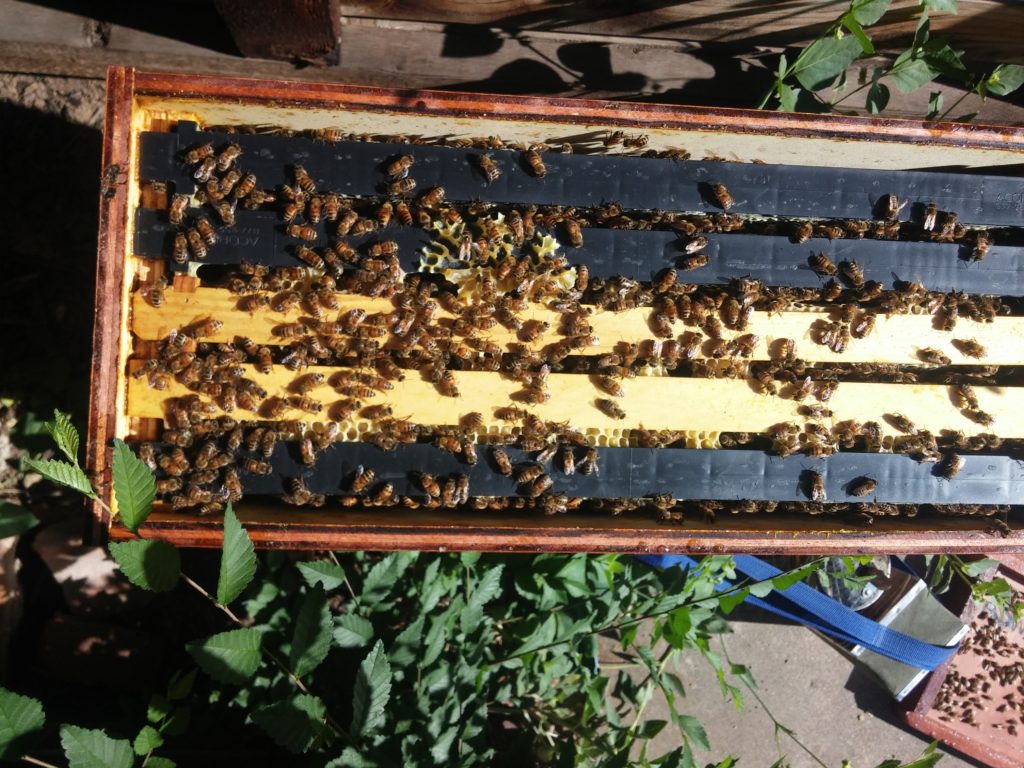
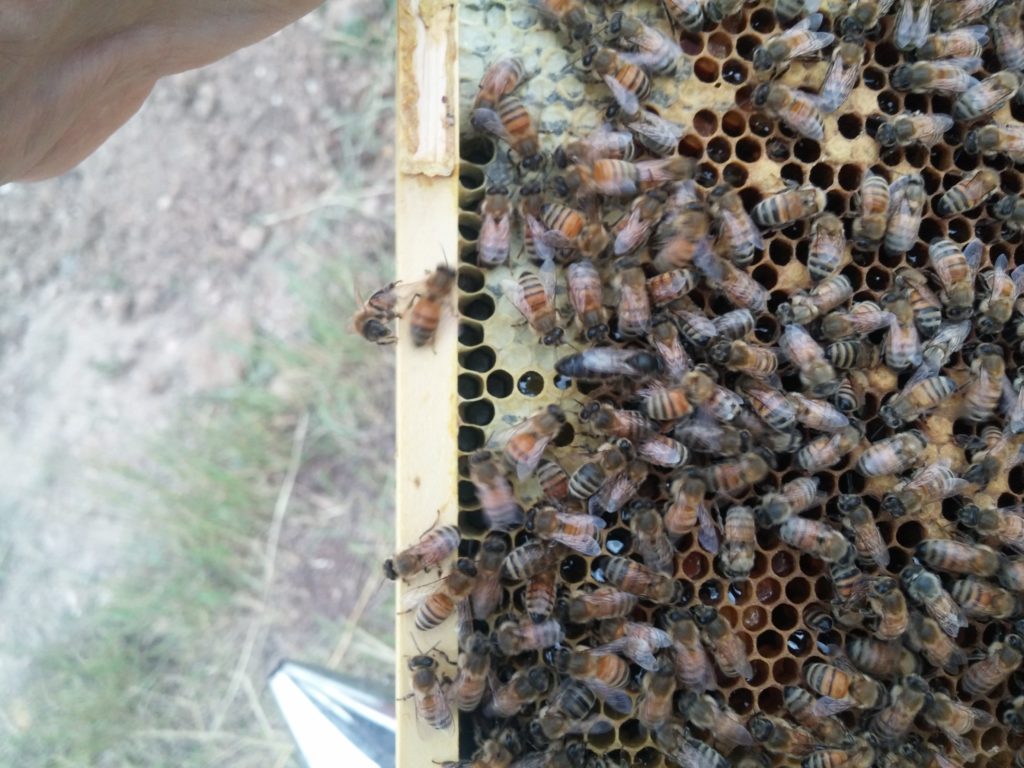
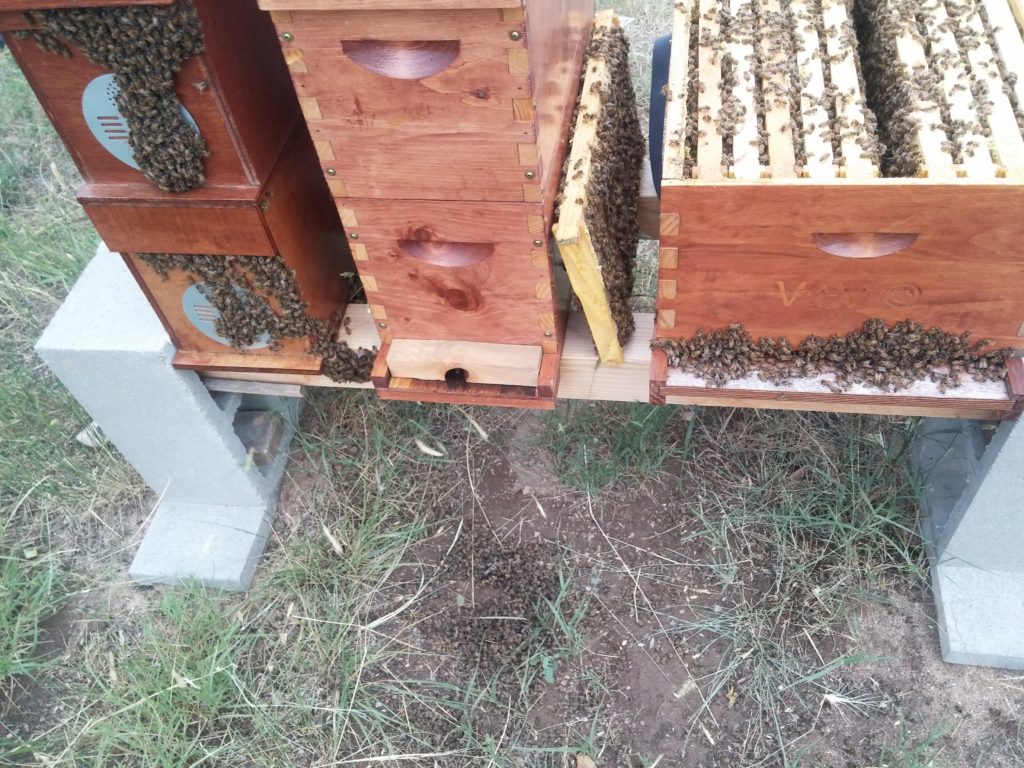
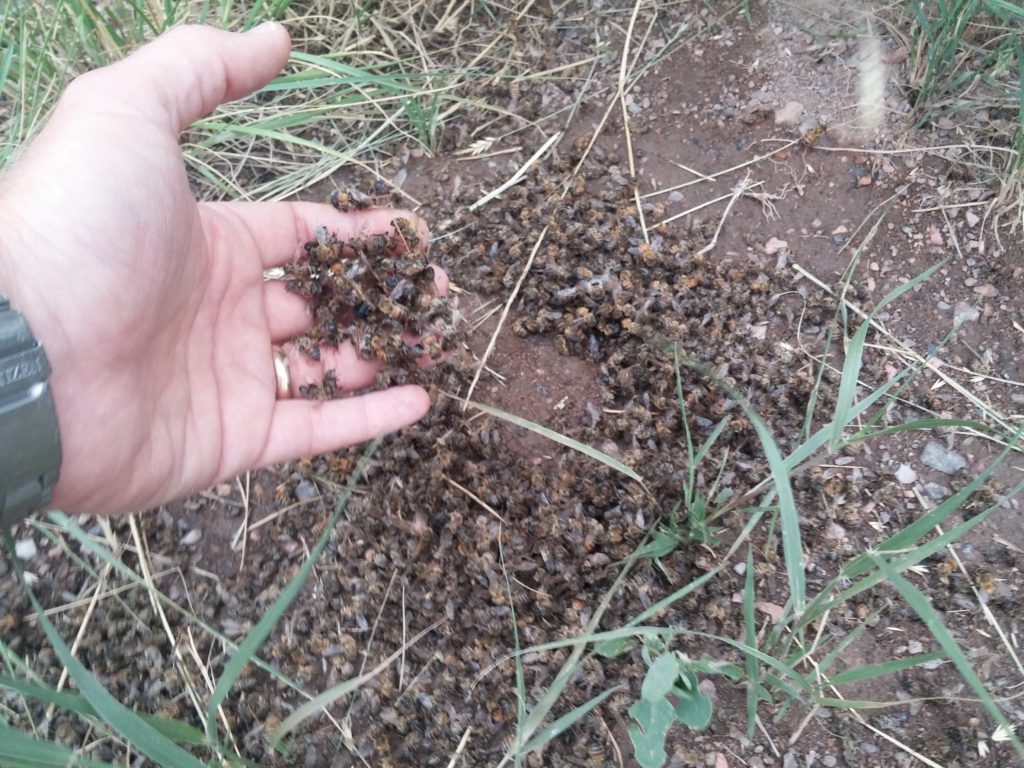
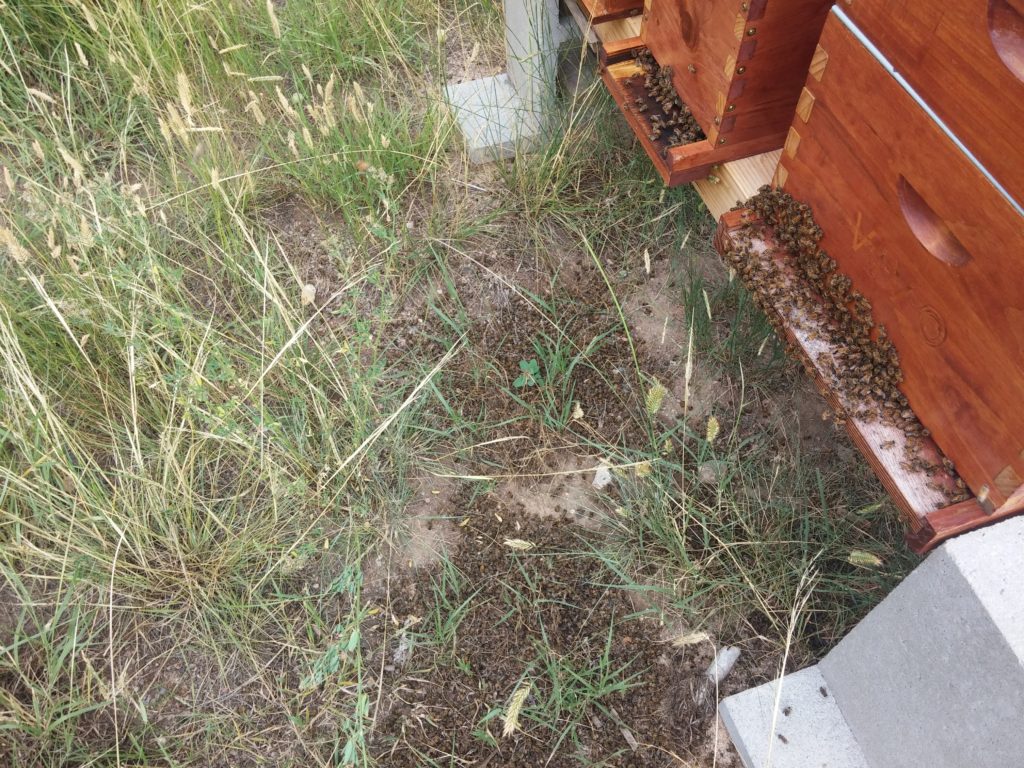
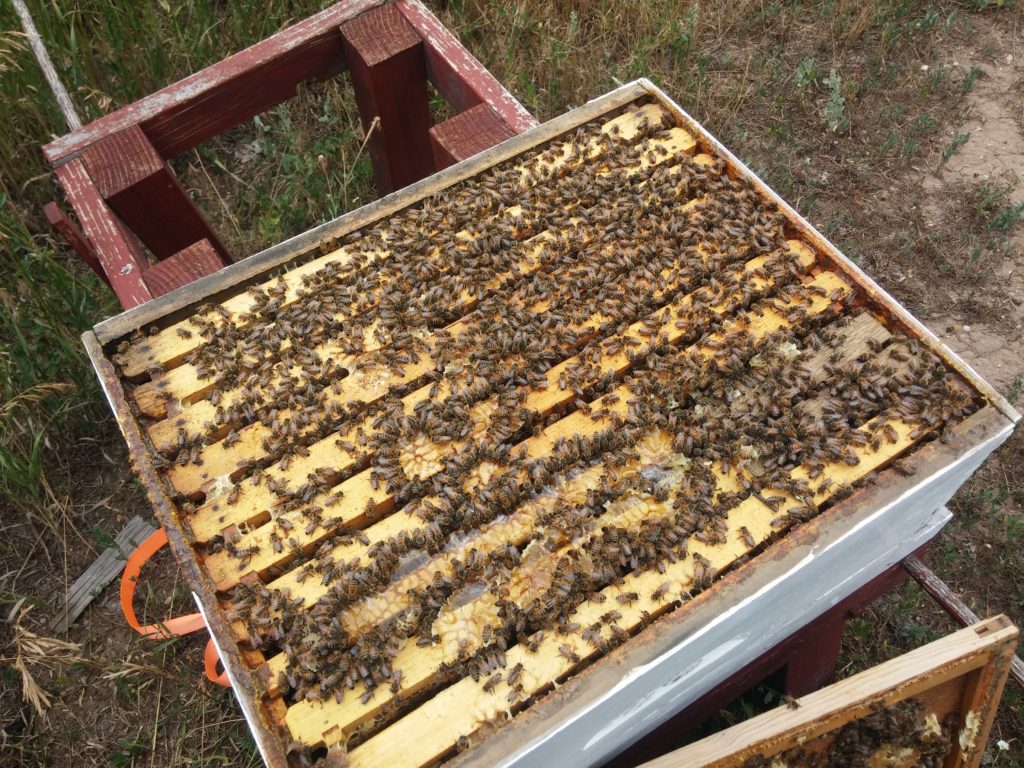
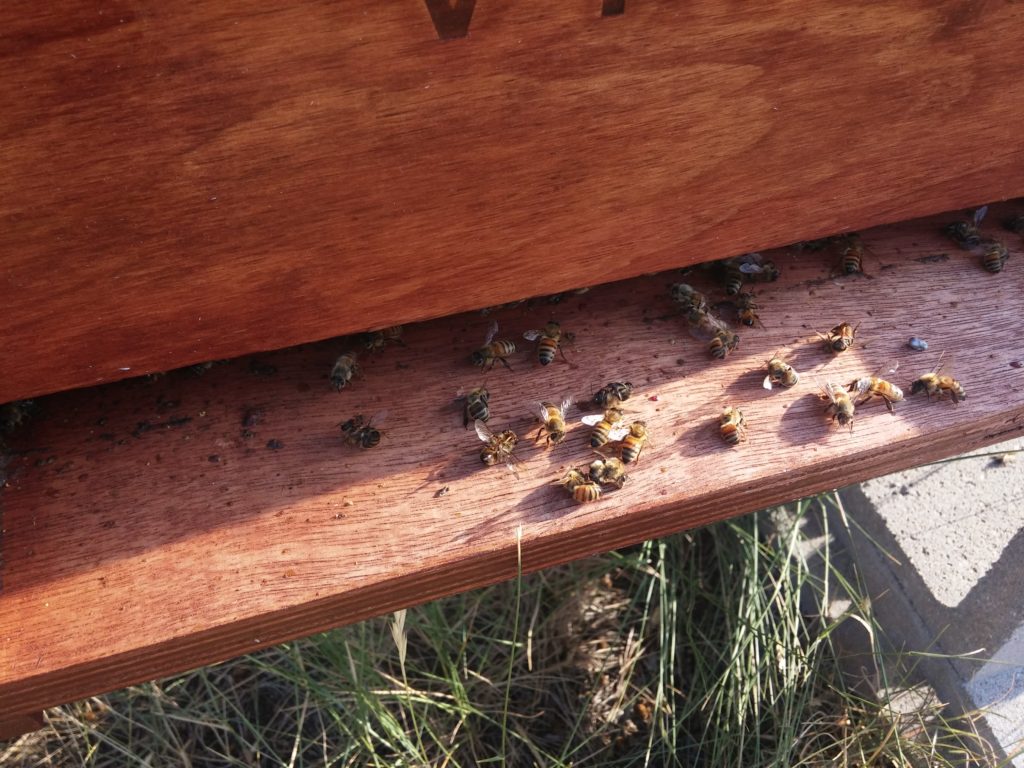
Hives at campus were visually inspected. Immediately noticed that another hive has been exposed to pesticides in the local environment. Thousands of dead bees were seen at the entrance of one hive in particular. Opening the hive showed the telltale sign of poisoned bees at the top of the boxes; twitching and uncontrolled movements.

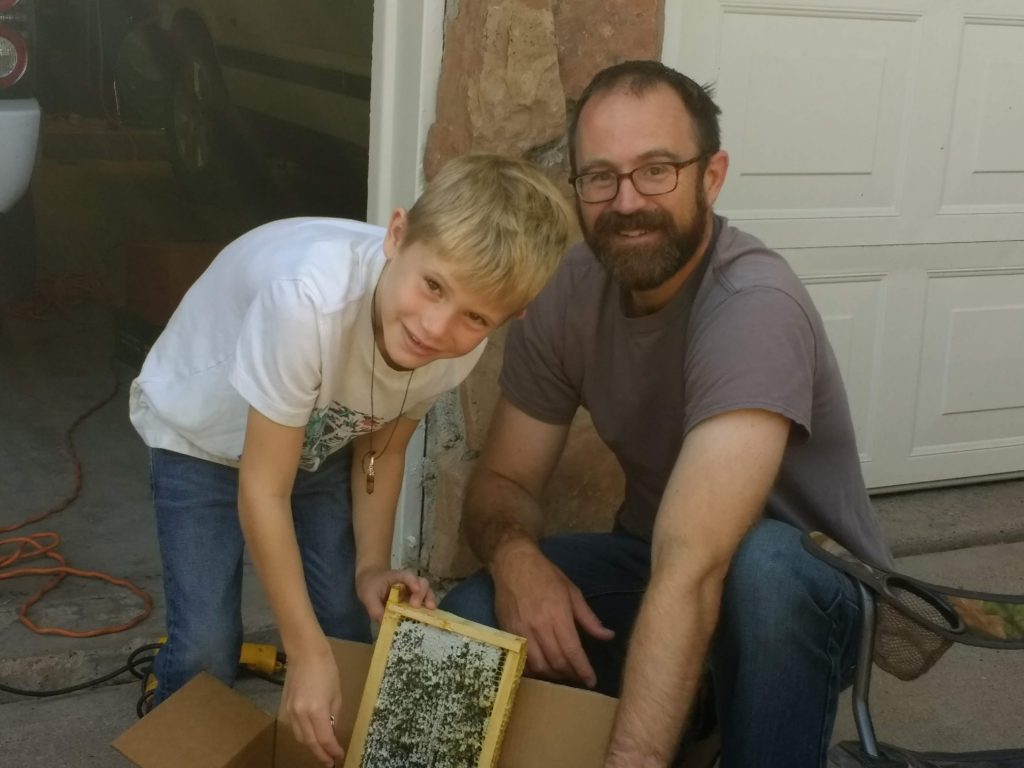
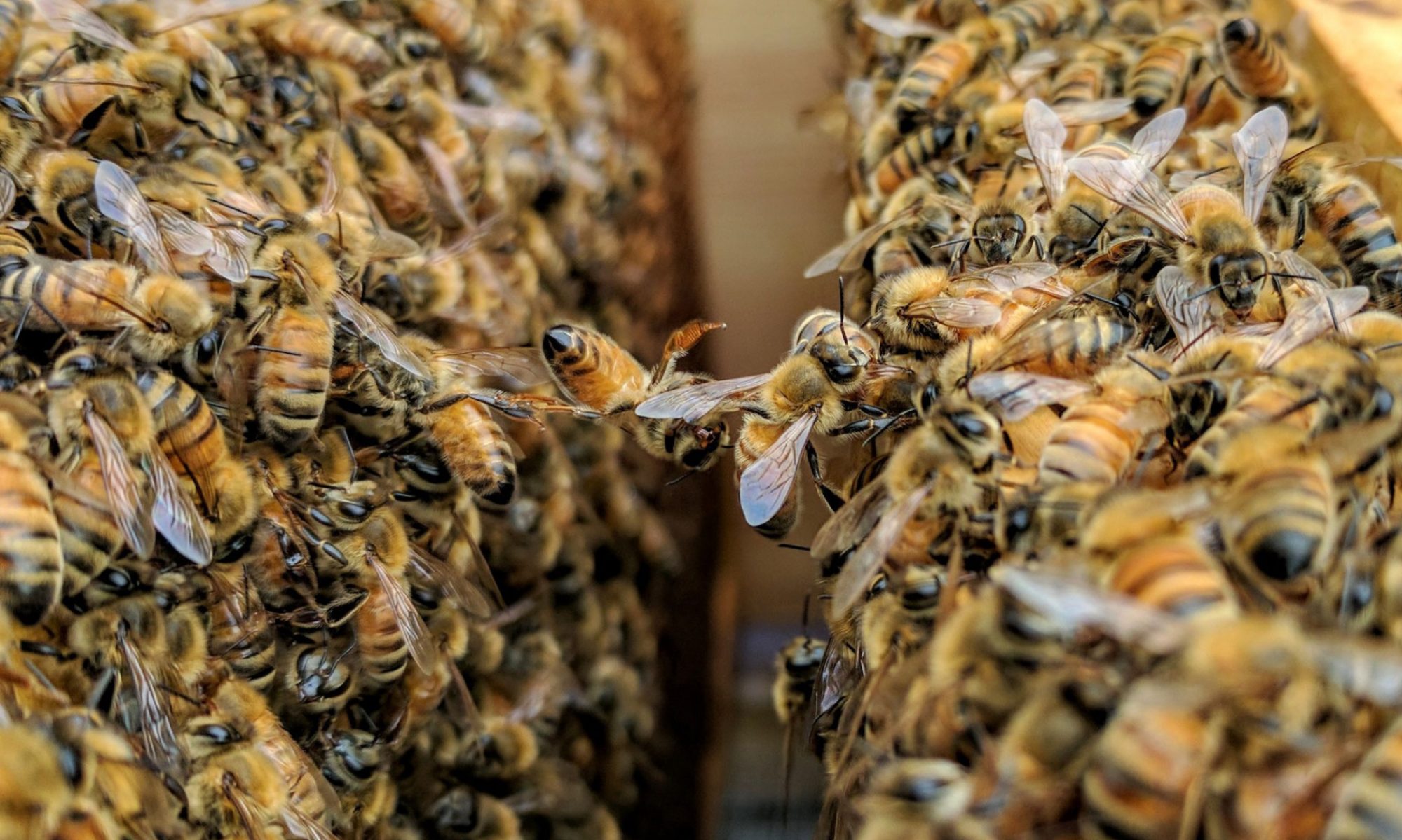
The other 2 hives which suffered a poisoning event earlier in the summer have had mixed outcomes. The commercial hive which had the most number of bees, has recovered and should make the winter months. The other hive which was a swarm from the Wild17 genetics has mostly failed (center). The queen bee is still alive but the number of worker bees is at most only a handful. I gathered a brood frame from a strong hive and placed it with this weakened colony. Maybe we can save this queen.

Hive Inspection

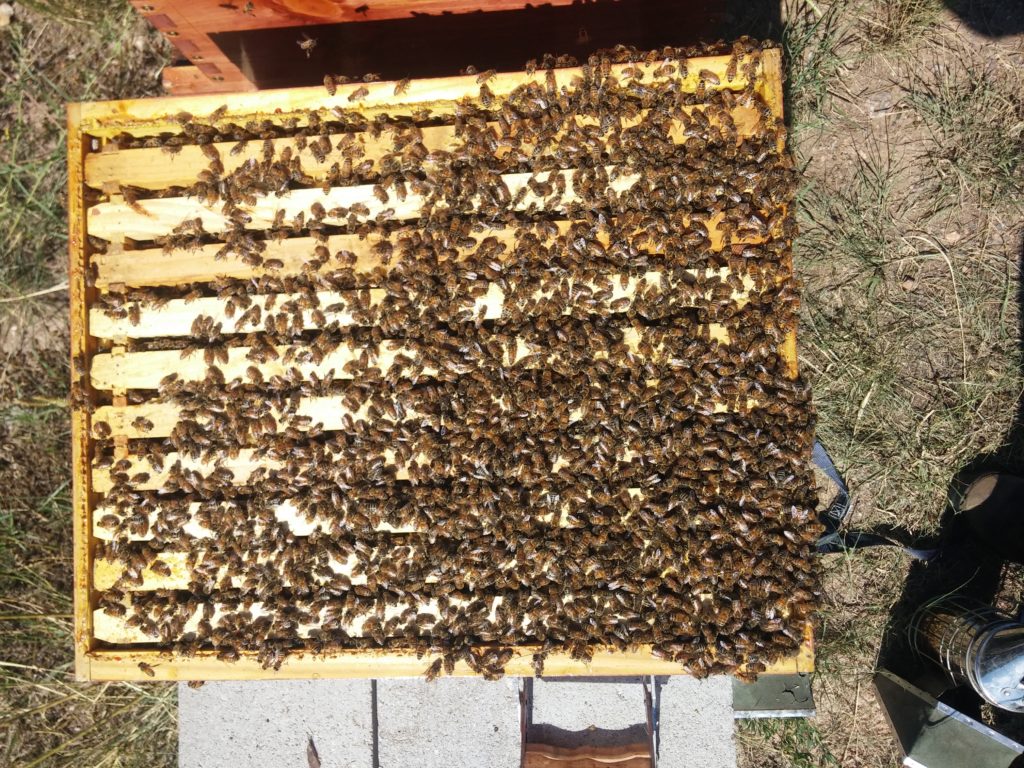
The 3 honey supers which were harvested were returned to the commercial colonies. I noticed some pesticide exposure on 2 of the eastern most commercial hives. The external dead bee accumulation seems small but there is considerable poisoning behavior inside the hives. Twitching and uncontrolled movements were seen. Also bees falling off frames and disorganized behavior.

The smaller of the 2 poisoned hives from early August was moved from the Niagara Street location back to the campus. A full inspection was performed. The population of bees was extremely small. No eggs, larva or brood was seen. A queen was found but appears to possibly be a virgin queen or extremely underfeed. A full frame of brood with burse bees was transferred into this hive from one of the over crowded commercial boxes.

Honey Harvest

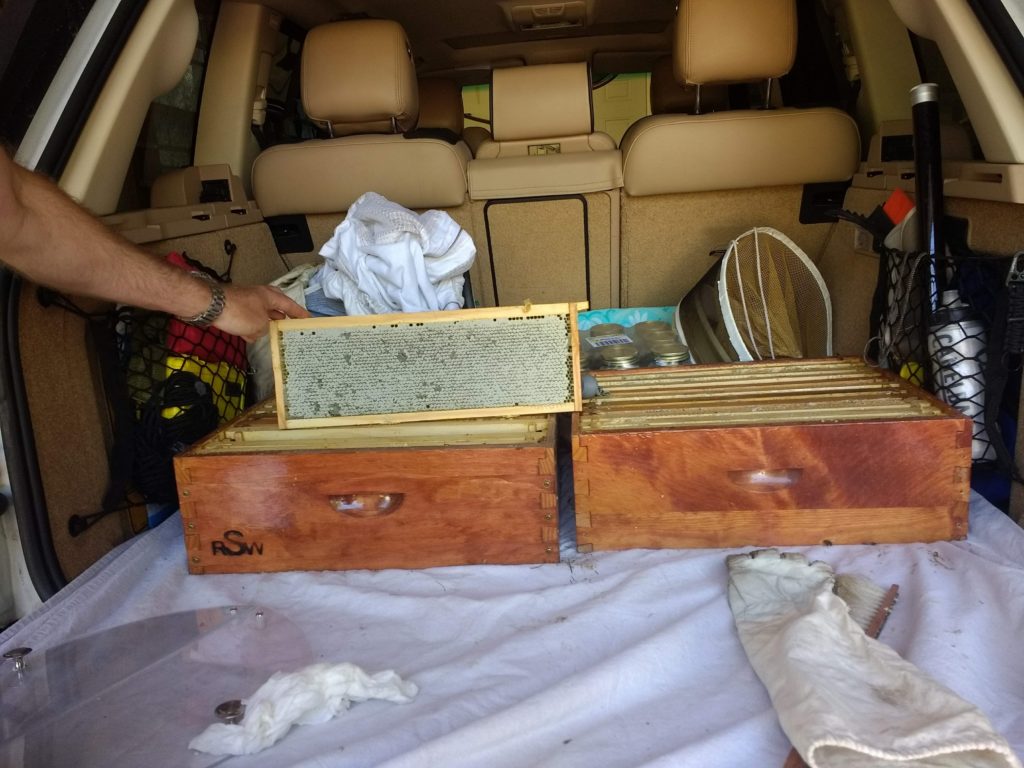
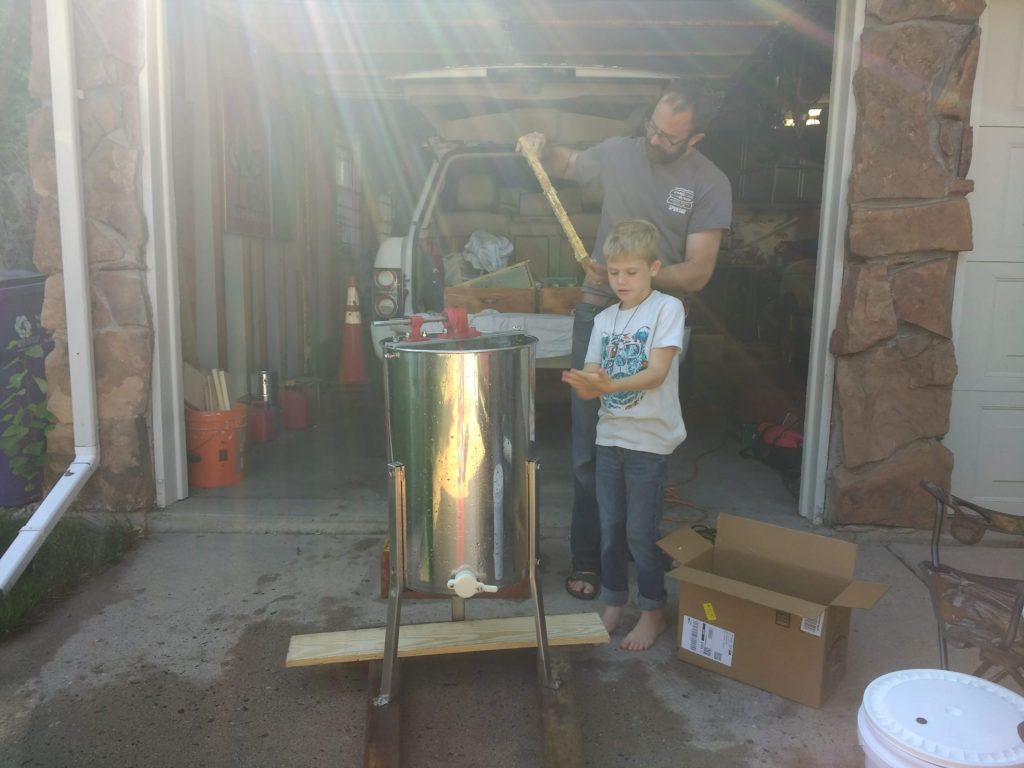
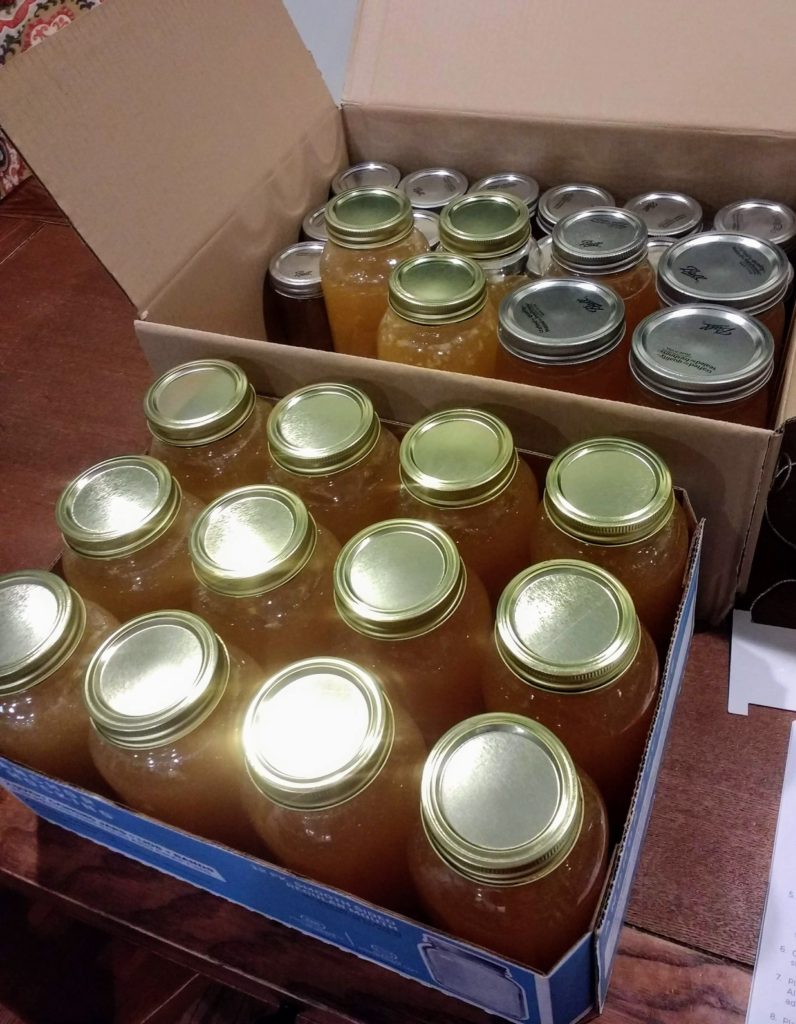
The three commercial strain hives at the campus were showing signs of being overcrowded and the supers were all full of honey. I decided to do a harvest of the supers to free up more room for the colonies to grow into. I left 2 frames of honey in each super for the bees. A total of 24 shallow super frames were harvested.

Hive Inspection

The two poisoned hives were inspected again. The larger commercial strain hive was opened and the queen was found.

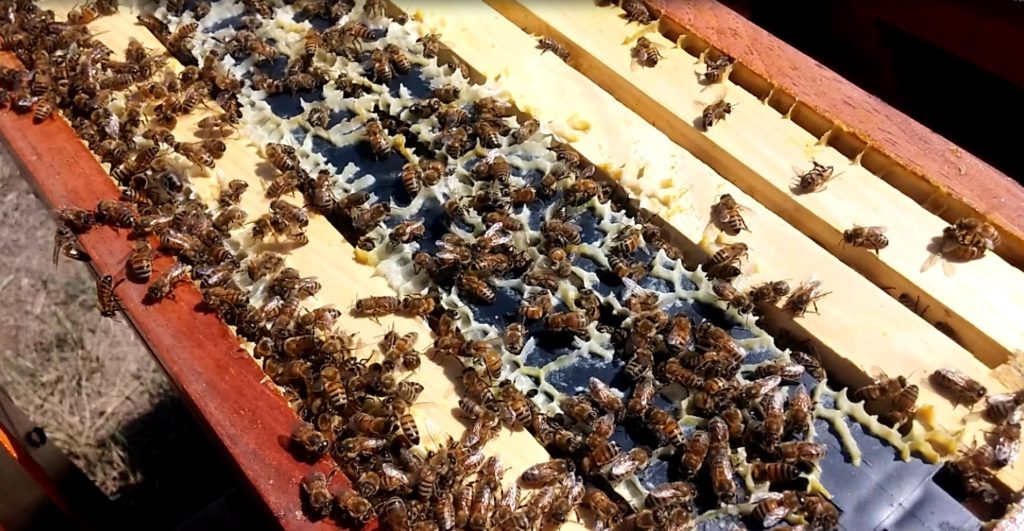
The smaller wild colony of the WildCA18A genetics still continues to loose bees in the front of the hive. This colony was moved to Niagara St. for closer observation and a full inspection. No front entrance activity was seen and a quick opening of the top revealed more still sick bees but at least a few frames of nurse and worker bees.

Hive Inspections

The two campus hives which were discovered to have been exposed to pesticide poisoning were opened. The commercial hive appears to have normal activity inside. The numbers of bees looks very good and this hive should recover, if the poison exposure is over. The top super is full of bees and full of stored honey. A through search for the queen revealed nothing. I did see newly laid eggs. I will perform a follow up 3 days later to look for the queen again and or simply the presence of eggs.

The adjacent colony which was a wild caught swarm from the Wild17 genetics and subsequently re-queened with the Wild CA18 genetics does not look good at all. A quick inspection of the top box showed numerous bees which were in the final stages of poison exposure. These bees displayed uncontrollable twitching and spastic movements. This hive will most likely not survive the poison exposure. I did not remove any more than just one frame from the top box. I will leave this colony alone for now.

Mite Treatment

All Campus hives which could be treated were treated with the standard 10 minute oxalic acid vapor treatment. This includes Woody’s Pond hive and Officer Ed’s hive.

Hive Inspection

The campus hives were visually inspected. It appears that 2 of the hives, one wild and one commercial have been poisoned. These colonies must have been exposed to some sort of pesticides out in the wild while foraging. This is the time of year when the Japanese beetles hit hard and home owners spray. These colonies may not survive. The die off is very significant.

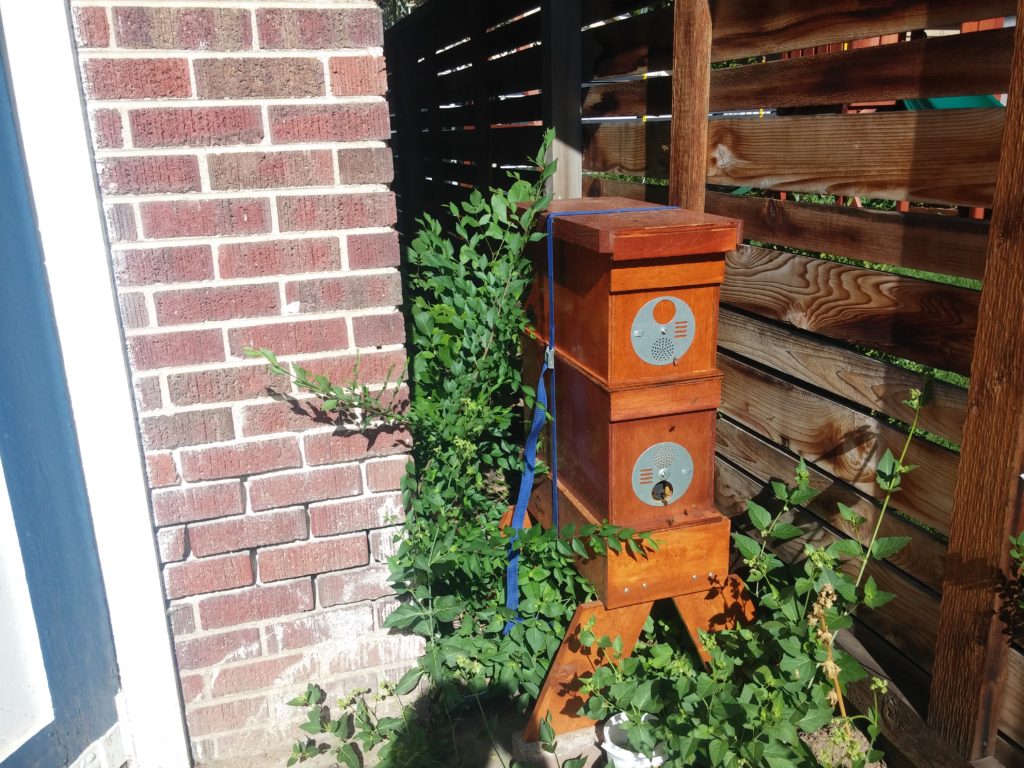
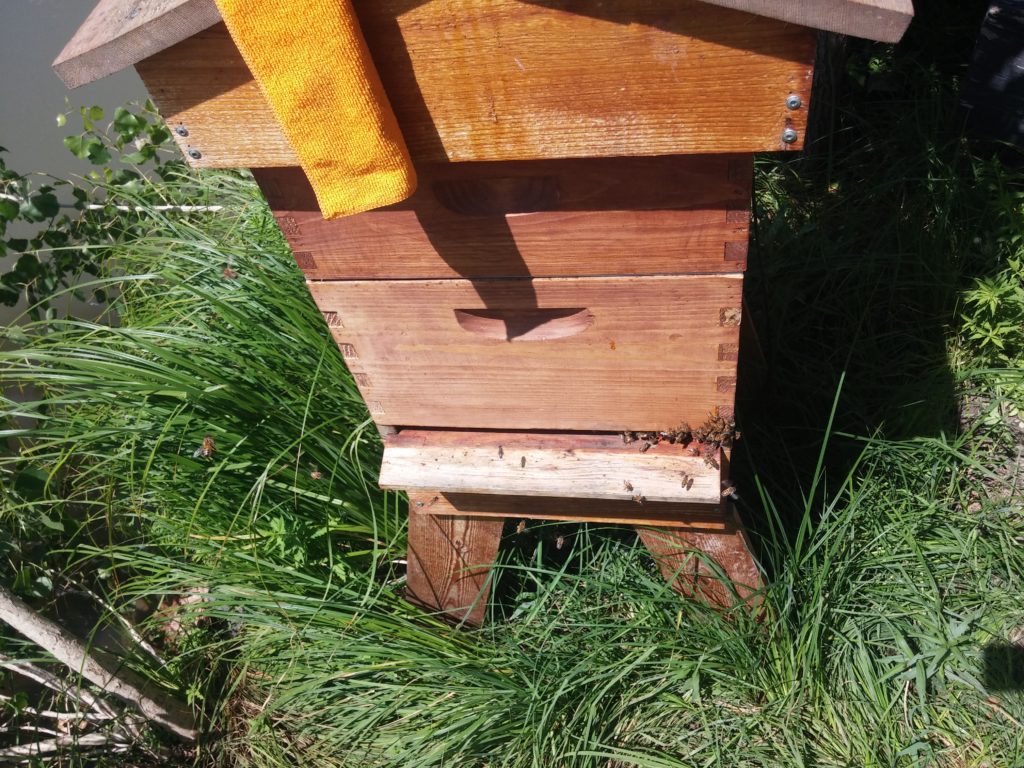
Officer Ed’s hive is doing extremely well and has almost filled out the lower brood box. I opened up another chamber for brood production. This hive does not have a queen excluder and is comprised of only honey supers. We will continue to use just honey supers for brood chambers with this hive body.

Hive Inspection

The S family foster bee colony is doing extremely well. The 10 frame box is just about fully filled out. I moved 2 frames, 1 resource and 1 brood into the 3 frame starter colony box. I gave this split a raised queen. The bees in this colony were aggressive. The sprinkler system was hitting the colony entrance. This was fixed.